Visual Problem Solving
My role is to understand what a project needs to achieve, find the idea that gives it meaning and turn that into a clear, distinctive visual solution.
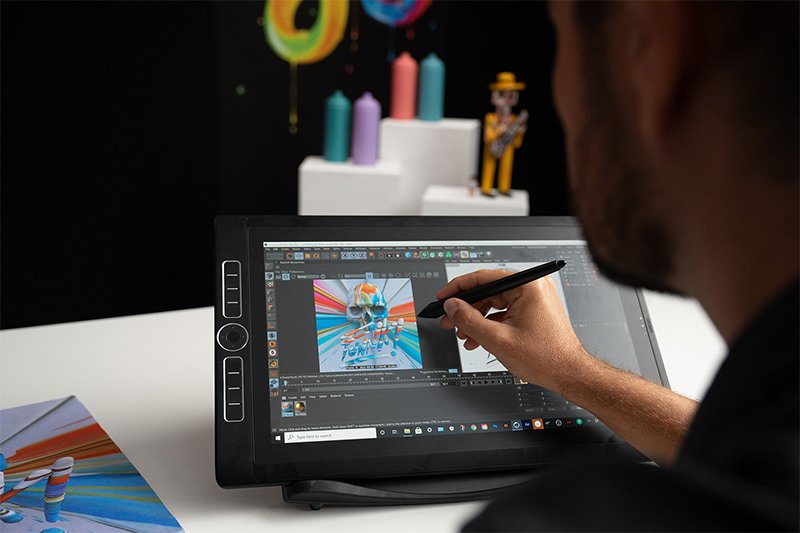
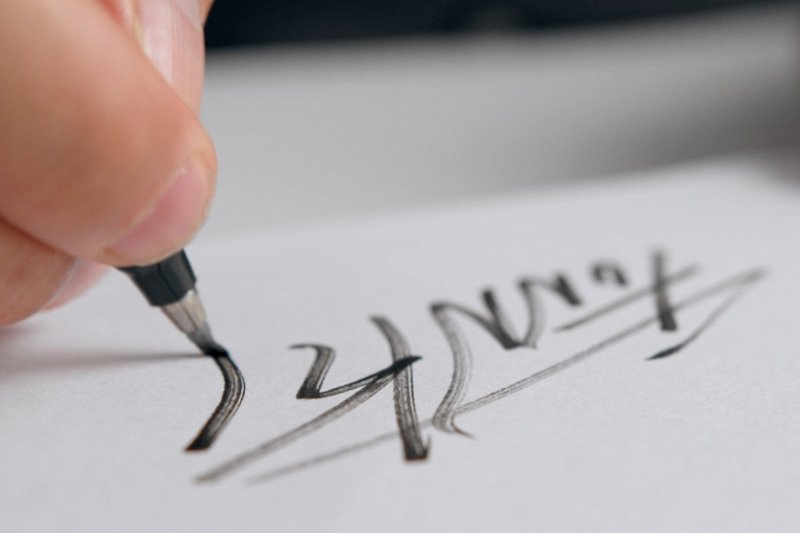
Start with purpose.
Every project starts before design. I begin by understanding the context, the audience and what the work actually needs to achieve. What is the problem? What is the purpose? What should people understand, feel or remember?
Once that is clear, the visual decisions have a reason to exist.
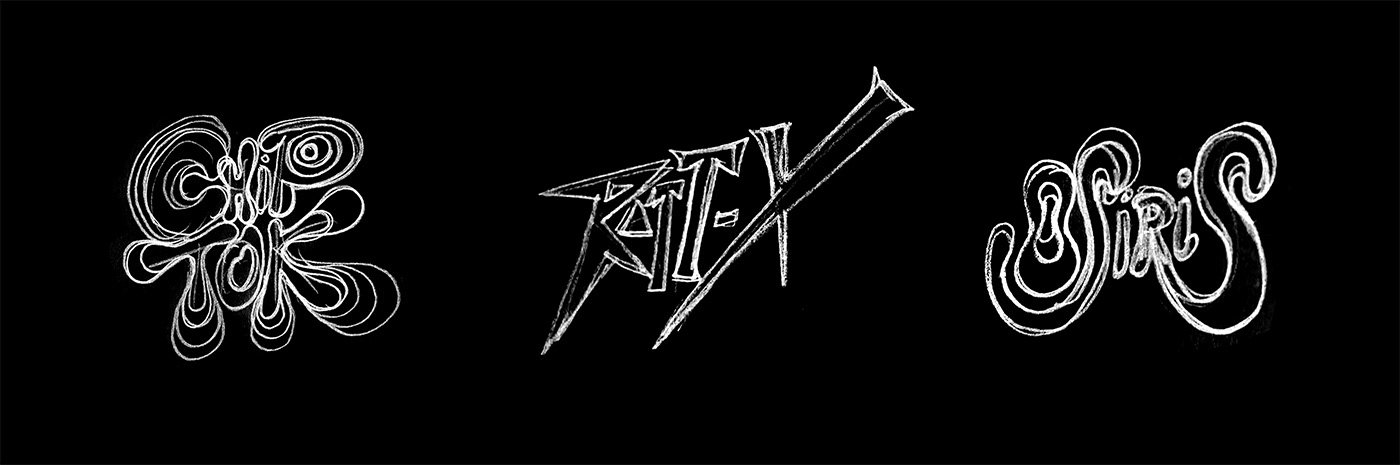
Explore before you polish.
Drawing by hand is still where many ideas begin. It lets me think quickly, question obvious solutions and explore different directions before committing to one.
At this stage I’m not looking for polish. I’m looking for the idea with the strongest connection to the project’s purpose: something relevant, memorable and capable of growing.
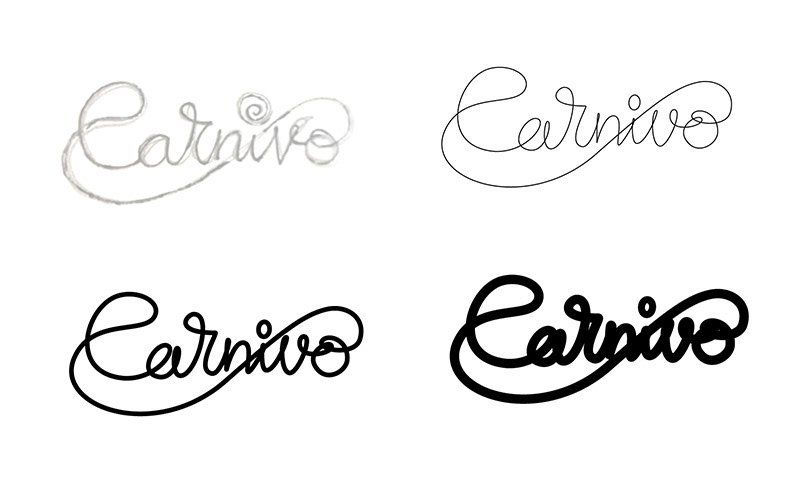
The idea determines the tools, never the other way around.
Depending on the project, I combine drawing, typography, design, 3D, motion, AI and code to bring the concept to life in the most effective way.
I use AI as a creative amplifier: to explore faster, test directions and extend ideas into areas that would otherwise require much larger production resources. But technology never defines the outcome. Concept, craft, taste and art direction do.
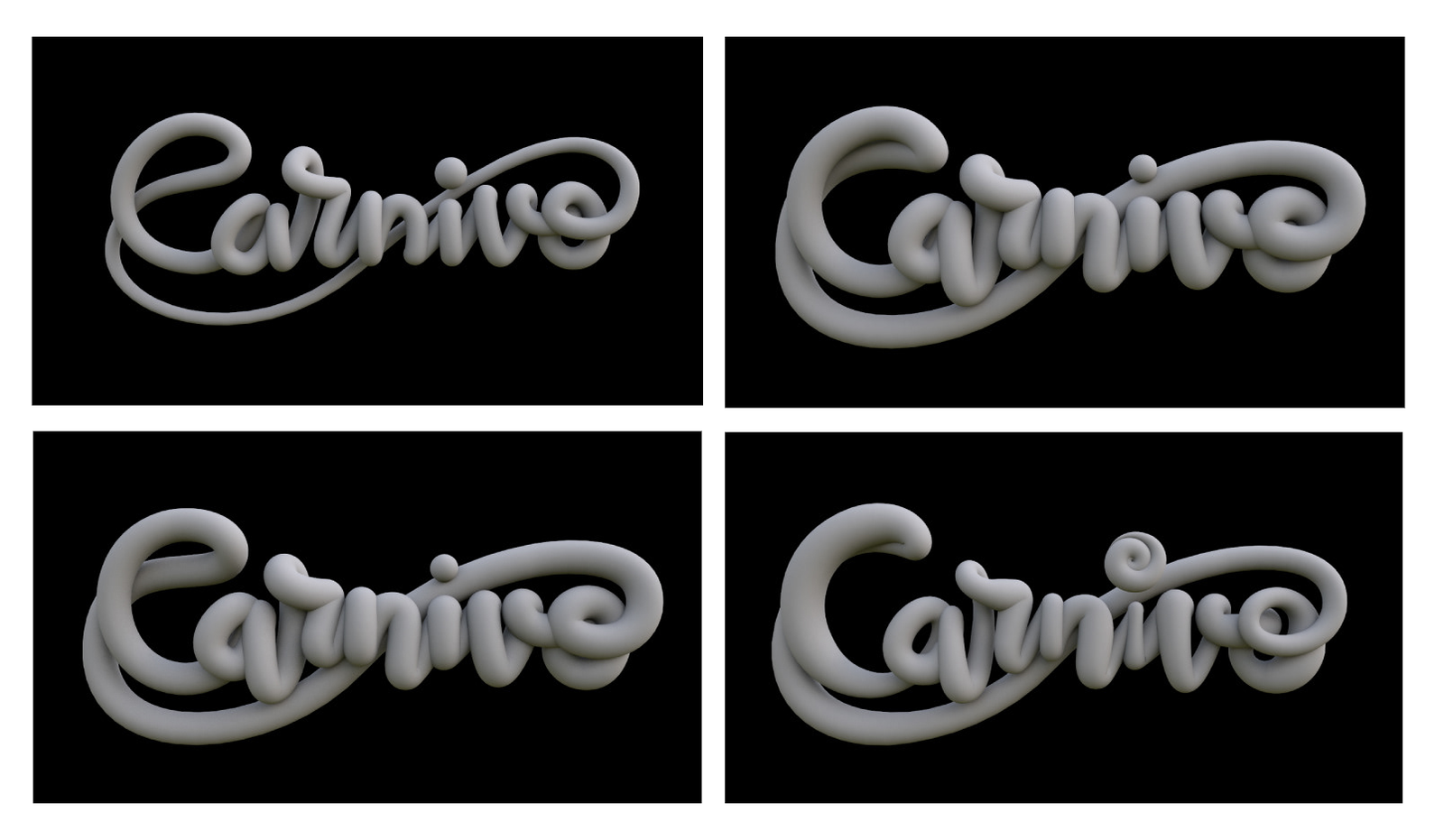
Make the idea work beyond one image.
Once a direction is defined, I test how it can grow into a coherent visual language across identity, typography, motion, 3D, digital experiences or campaign content.
The goal is not simply to make something visually interesting. It is to create a solution that makes sense for the project, communicates clearly and gives it a distinctive presence.
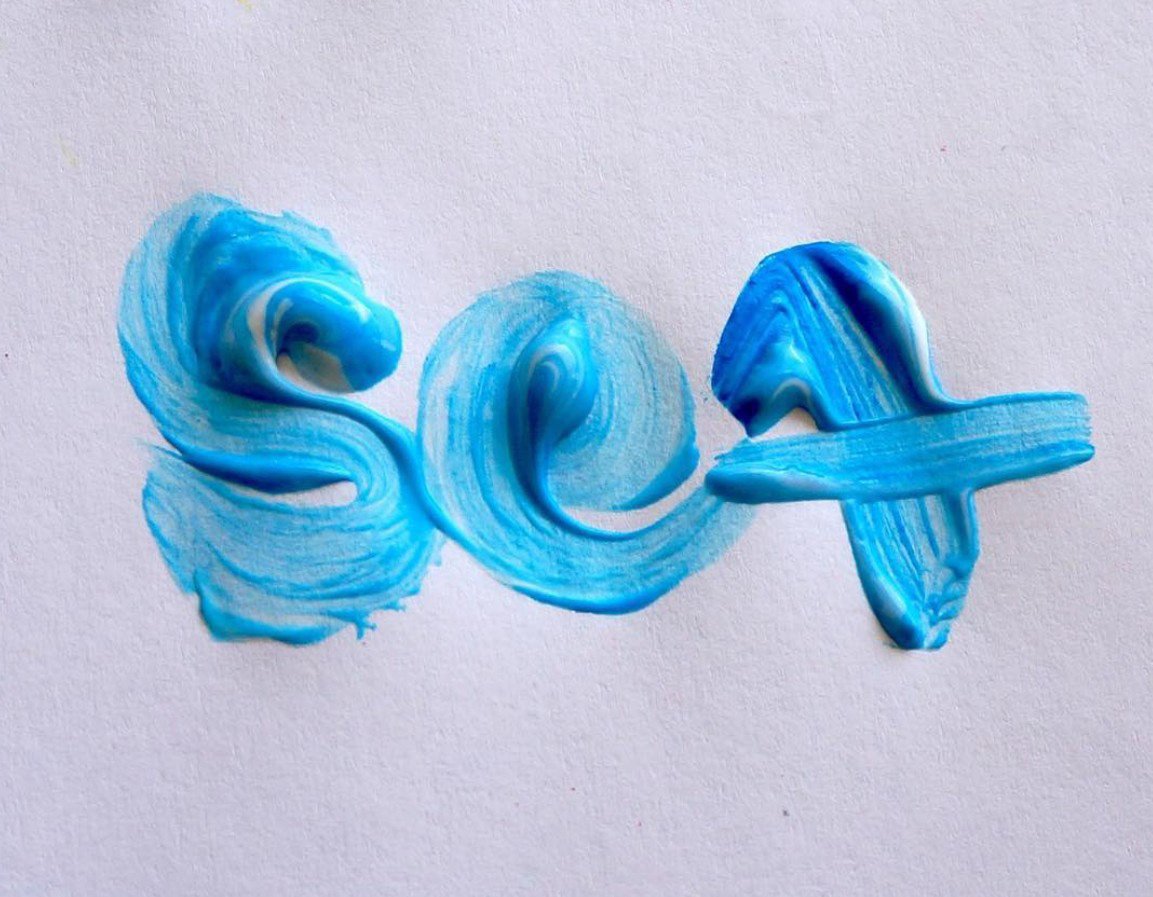
Craft gives ideas character.
I like working in the space between analog and digital. Hand-painted textures, physical marks, custom lettering and imperfect details can make the work feel more human and specific.
I use craft when it supports the idea, not as decoration, but as another way of making the solution more memorable and convincing.
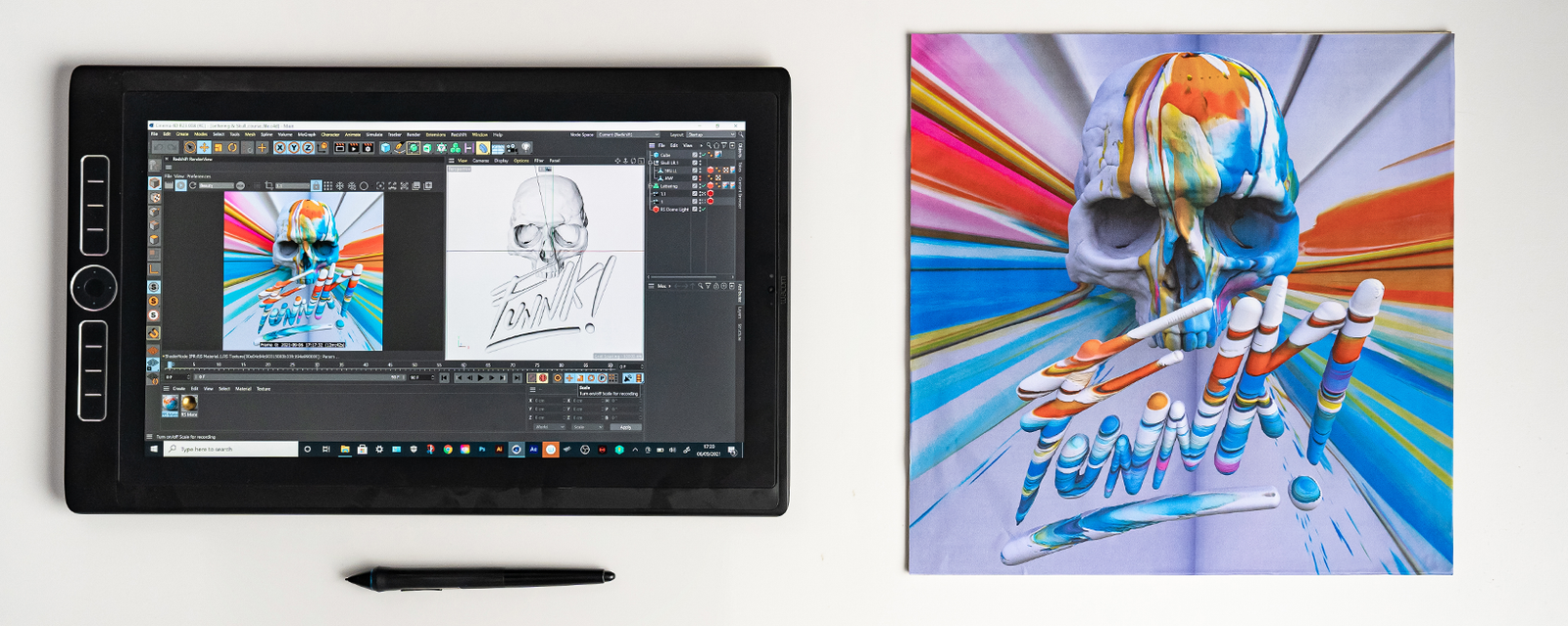
Some ideas need to move. Others need to be experienced.
Motion, 3D and interactive design allow me to extend a visual concept beyond the static image, creating rhythm, narrative, depth and interaction.
Whether it becomes a title sequence, a key visual, a brand system or an interactive experience, the objective remains the same: use the medium that communicates the idea most effectively.
The result should never just look good. It should have a reason to exist.
To understand what the project is trying to achieve, find the idea that gives it meaning and translate that idea into a visual solution people can understand, feel and remember.
Strategy gives the work direction. Creativity gives it distinction. Craft makes it convincing.